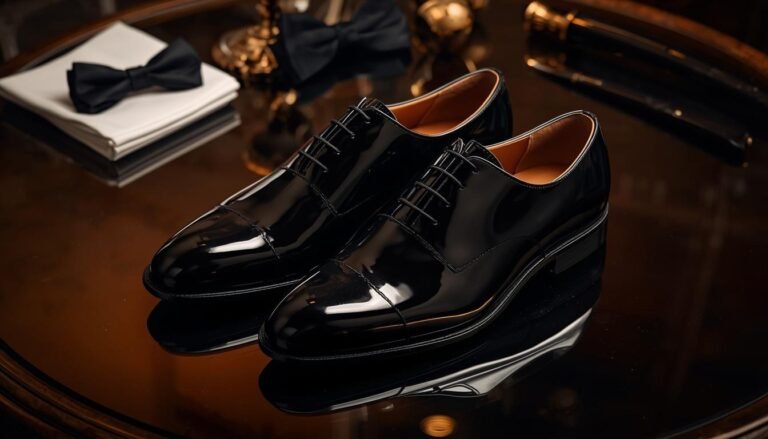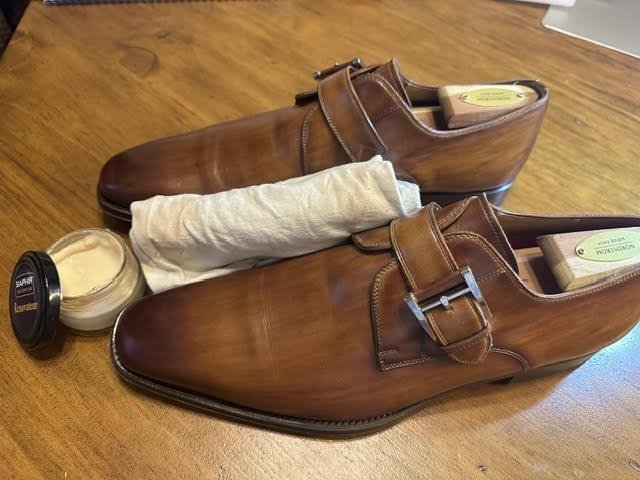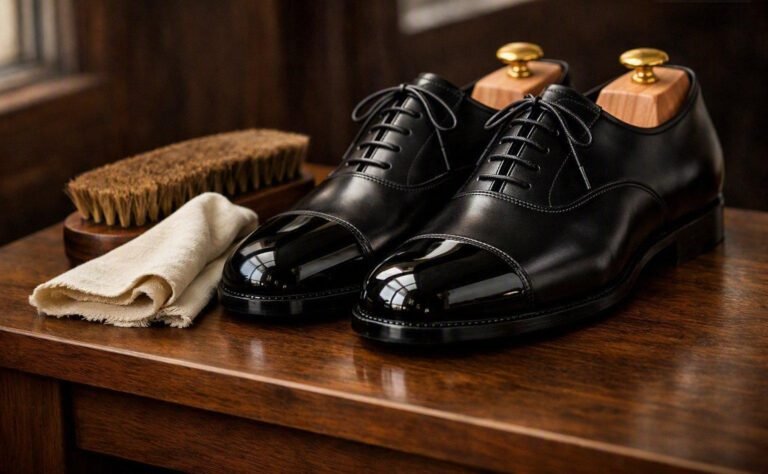
There is a particular kind of confidence that comes from a pair of perfectly maintained patent leather shoes. The moment they catch the light, that deep, lacquered gleam, warm as espresso and smooth as polished tan, you understand why this material has commanded the attention of tailors, cordwainers, and dressers for over two centuries. Patent leather does not whisper. It speaks with quiet authority.
At The Bespoke Sole, we believe that knowing your materials is the foundation of true style. A gentleman who understands what he is wearing, and why it demands a certain kind of care, wears it better. So whether you have just acquired your first pair of patent leather Oxfords or you are revisiting a classic you have owned for years, this guide answers every question worth asking: what patent leather actually is, where it came from, whether it qualifies as real leather, and precisely how to clean and shine it so it looks as commanding a decade from now as it does today.
What Is Patent Leather? The Meaning Behind the Shine
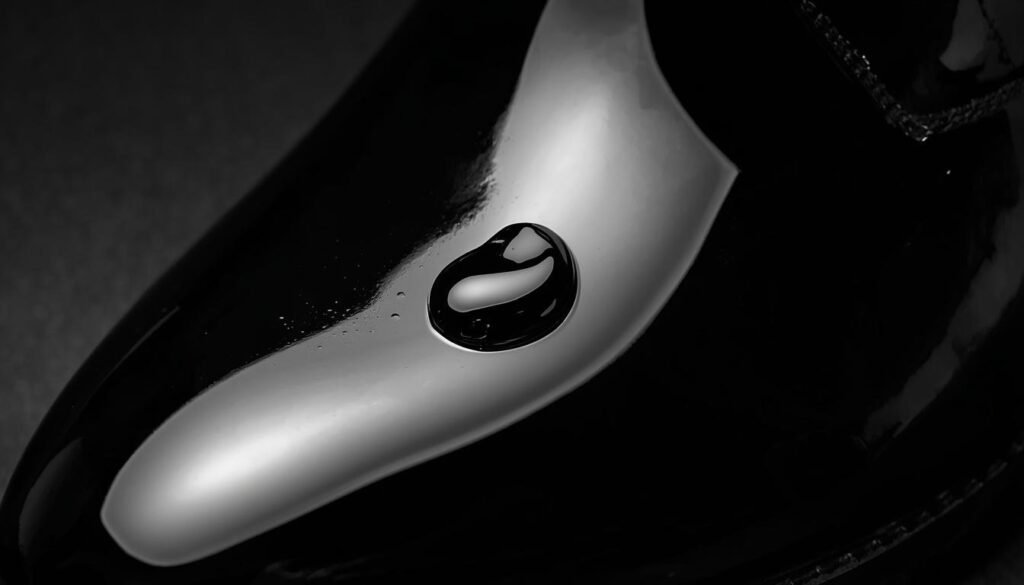
The term patent leather refers to a type of coated leather finished with a high-gloss, highly reflective surface. Unlike conventional leather, the shine does not come from the hide itself, but from a synthetic lacquer coating applied over a tanned leather base.
Today’s patent leather is made by taking a tanned hide, most commonly cattle hide, and applying a synthetic coating, typically a blend of polyurethane and acrylic. The polyurethane provides the hard, mirror-like gloss, while the acrylic adds flexibility so the coating does not crack when the shoe bends. Black dye is worked into the middle layer, though patent leather is made in many colors. The synthetic layer makes it virtually waterproof and highly resistant to dirt, which is why it remains the material of choice for formal dress shoes, dancing pumps, and luxury accessories.
A Short History of Patent Leather
The story begins in 1793, when an inventor named Hand, working in Birmingham, England, patented a method for producing flexible leather with a waterproof, glossy finish. The British magazine The Bee noted at the time that the treated leather was “perfectly impervious to water, and when soiled, requires only to be wiped with a sponge to restore it to its original lustre.” This is widely considered the origin of the term patent leather. Other British inventors refined the idea soon after: Edmund Prior patented a dye-and-varnish technique in 1799, and Charles Mollersten patented a linseed oil, whale oil, and horse grease finish in 1805.
The material crossed the Atlantic in 1818, when American inventor Seth Boyden reverse-engineered a piece of European patent leather and developed his own commercial linseed oil-based lacquer in Newark, New Jersey. He began production the following year and, notably, never patented his own process.
Patent leather appeared commercially in 1822 and quickly became the preferred material for formal dancing shoes worn by European aristocracy, and men’s tuxedo shoes and opera pumps have featured it ever since. The 1960s brought a cultural resurgence, with patent leather miniskirts, boots, and trench coats reshaping fashion well beyond the shoe rack. Today, houses including Hermès, Christian Louboutin, Coach, and Valentino still use it as a signature material.
Is Patent Leather Real Leather?
One of the most common questions shoppers ask is whether patent leather is real leather. The short answer is yes: traditional patent leather is real leather. The foundation is typically a high-quality cattle hide, calfskin, or kidskin that has undergone a standard tanning process. Because the surface is heavily coated with a synthetic lacquer finish, you cannot feel or see the natural grain beneath it, which is precisely what distinguishes it from natural full-grain leather, which develops a rich patina and character over time.
Because the glossy coating conceals the texture underneath, some manufacturers use lower-grade leather, or entirely synthetic materials often called faux patent leather or PU leather, to achieve the same look at a lower cost. When investing in quality footwear, always confirm the base material is genuine leather; the difference in longevity and feel is substantial.
Advantages and Limitations at a Glance
| Advantages | Limitations |
|---|---|
| Highly water-resistant due to the non-porous lacquer surface | Prone to visible scuffs and scratches because of the high-gloss surface |
| Easy to wipe clean, since dirt cannot penetrate the coating | Does not breathe, which reduces comfort in warm conditions |
| Consistent, polished appearance that requires no conditioning | Cannot be stretched; forcing a stretch causes irreversible cracking |
| Widely available at accessible price points | Susceptible to UV discoloration and yellowing over time |
| Does not develop a patina; aging is degradation, not character |
How to Clean Patent Leather Shoes
Patent leather behaves more like a lacquered composite than natural calfskin, so it needs its own routine. The golden rule: you are treating the lacquered surface, not the leather beneath it.
1. Prepare the shoe. Insert cedar shoe trees before you begin; they hold the shoe’s shape and smooth out creases where dirt collects (see our cedar shoe trees buying guide if you need a pair).
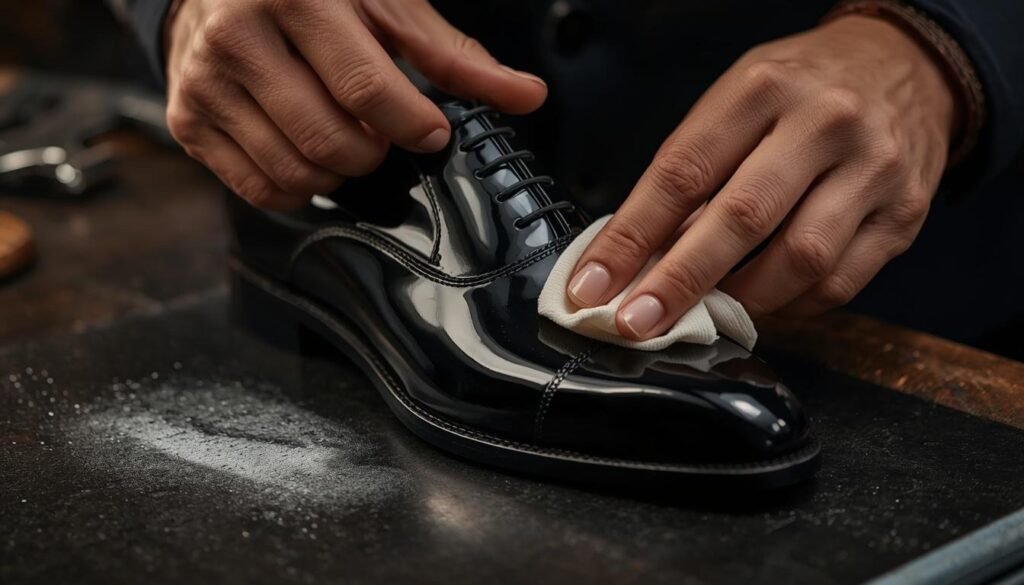
2. Remove surface dust. Wipe gently with a soft, dry, lint-free cloth. Never use a horsehair brush; the stiff bristles leave micro-scratches on the lacquer.
3. Wipe with a damp cloth. Lightly dampen a fresh cloth and wipe the entire shoe to lift fingerprints and grime, then dry immediately with a separate cloth.
4. Treat scuffs. Work a small amount of petroleum jelly into the scuffed area with firm, circular pressure. Let it sit 20 to 30 minutes, then remove every trace before buffing; left on the surface, it attracts dust and streaks.
How to Shine Patent Leather
Unlike natural leather, patent leather does not absorb conditioning creams or waxes. This is where patent leather care parts ways from our guide to polishing dress shoes: standard wax shoe polish is one of the most damaging things you can do to a patent finish. It sits on top of the coating, traps dirt, and permanently clouds the mirror shine.
1. Use a dedicated cleaner. Apply a purpose-made patent leather cleaner, such as Saphir Vernis Rife or Collonil Patent Leather Cleaner. Both are pH-neutral, without the harsh solvents that degrade lacquer. [VERIFY: confirm current product availability before publishing]
2. Apply and dry. Work a small amount across the surface in circular motions, then let it dry three to five minutes until a slight, hazy film appears.
3. Buff to a mirror finish. Using a clean chamois or velvet cloth, buff in rapid, firm circular motions, then finish with long strokes from toe to heel to restore depth and uniformity. Building a kit from scratch? Our shoe care starter kit covers the tools worth owning at three budgets.
What to Avoid
Never use alcohol-based cleaners, glass cleaners, or wax shoe polish on patent leather. Store each shoe in its own dust bag; the lacquer can turn tacky in humid conditions, and two patent leather shoes touching in storage can bond and tear apart.
Fixing Common Problems
Light scuffs respond well to the petroleum jelly method above. Deep scratches reaching the leather underneath are generally irreversible at home; a shoe care specialist may restore the surface. Cloudiness is usually caused by a wax or oil-based product, or alcohol stripping the lacquer; a purpose-made cleaner usually resolves it, though badly degraded lacquer may need professional recoating. Color transfer, where lighter patent leather absorbs dye from a dark item nearby, is very hard to reverse, so store shoes separately in dust bags.
A Simple Maintenance Schedule
| Action | Frequency | Purpose |
|---|---|---|
| Wipe with a damp cloth | After every wear | Removes fingerprints and grime before they set |
| Apply patent leather cleaner | Monthly, or before formal occasions | Lifts embedded residue and maintains coating integrity |
| Full buff to a mirror shine | Before each formal wear | Restores gloss and addresses light scuffs |
| Inspect for coating cracks | Seasonally | Catches lacquer degradation early |
| Clean before long-term storage | Before any extended period off-wear | Prevents debris from bonding to the lacquer |
Proper Storage
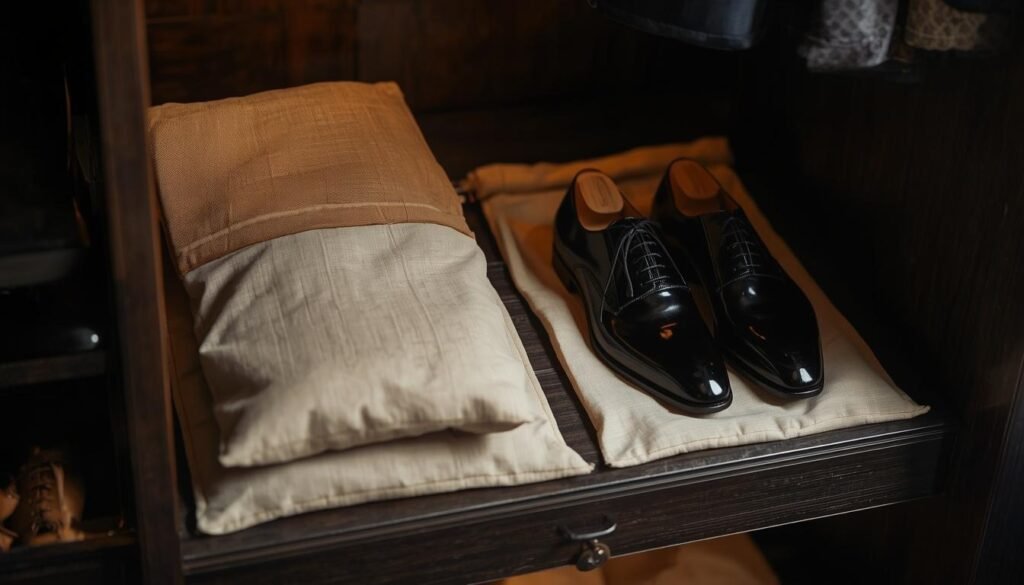
Because the polyurethane coating can turn tacky over time, especially in humid conditions, patent leather shoes need careful, individual storage. Insert cedar shoe trees and wrap each shoe in its own soft, breathable dust bag or clean cotton pillowcase. Never let patent leather shoes touch each other or other leather items; the coating can bond to adjacent surfaces and tear when separated. Keep them cool, dry, and out of direct sunlight, which causes yellowing, and avoid airtight plastic bags or boxes, since the coating needs some air circulation to stay stable.
Frequently Asked Questions
How durable is patent leather?
It is notably durable for a formal material, largely because the polyurethane and acrylic coating acts as a protective barrier over the leather beneath, resisting dirt, moisture, and abrasion far better than uncoated leather. The lacquer itself is still susceptible to scuffs and scratches that are often permanent once they penetrate deeply. With proper care, a quality pair can hold its finish for ten years or more.
Does patent leather crack over time?
Yes, though cracking is largely preventable. It happens when the coating dries out or is repeatedly stressed at flex points, such as the toe box, without support. Cedar shoe trees, avoiding extreme cold (which makes the lacquer brittle), and never forcing the material to stretch are the best preventive measures. Once the lacquer cracks deeply, the damage is generally irreversible at home.
Is patent leather waterproof?
It is highly water-resistant but not fully waterproof. The non-porous coating repels light rain and damp conditions well, but standing water can still cause problems, and water left to dry on the surface can leave dull spots. Wipe shoes dry immediately after any exposure to moisture.
Can you wear patent leather shoes in the rain?
Patent leather handles light rain reasonably well, but formal shoes, especially those worn for black tie or ceremonial occasions, are best reserved for dry conditions when possible. If caught in the rain, wipe them dry and let them air-dry at room temperature. Never use direct heat, such as a radiator or hairdryer, to speed up drying; it can crack or peel the lacquer.
Does patent leather hold up in hot weather?
Heat is one of its biggest vulnerabilities. High temperatures, whether from direct sunlight, a hot car interior, or a nearby heat source, can soften, tackify, or crack the coating. Store patent leather away from direct sunlight in warm weather, and never leave it in a parked car on a hot day.
Questions about caring for a specific pair, or curious what patent leather would look like on a bespoke commission? Reach the Studio.
Lace up. Zip up. Slip in.