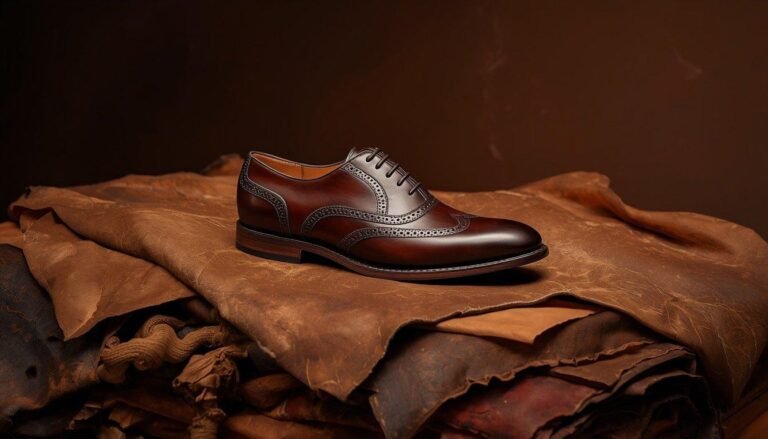
Calfskin, shell cordovan, suede and nubuck look, wear and age in very different ways. Here is what each leather really is, and how to care for the one you choose.
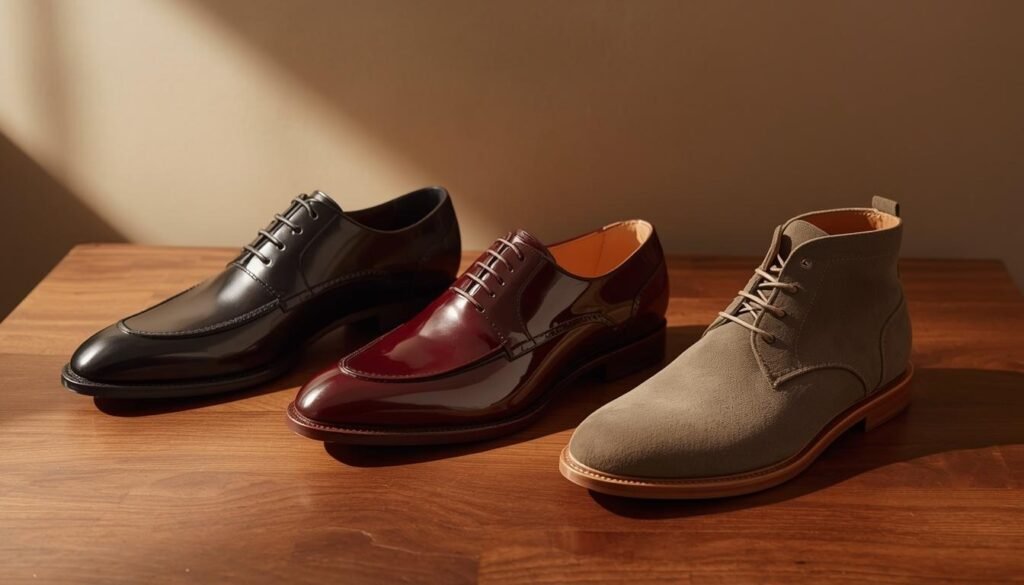
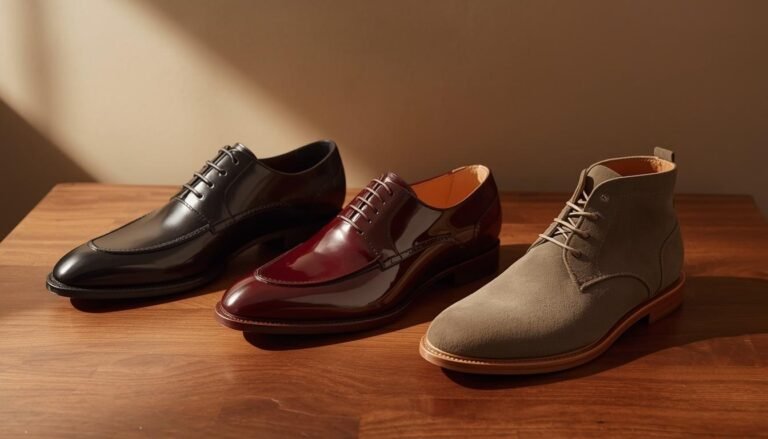
A polished calfskin Oxford, a glossy shell cordovan loafer, and a soft suede boot may all be leather shoes, but they look, feel, and wear differently. Understanding the materials helps you choose more confidently and avoid treating every pair with the same care products.
The simplest starting point is this: calfskin identifies the animal source, shell cordovan identifies a particular structure within horsehide, and suede and nubuck identify napped leather surfaces. Those categories can overlap. Calfskin, for example, can be finished as smooth leather, suede, or nubuck.
Here is what each term means, what makes the materials distinctive, and how to decide which suits your shoes and everyday use.
What Is Calfskin Leather?
Calfskin leather is leather made from the hide of a young bovine animal: a calf. It is valued for its typically fine grain, supple feel, and refined appearance. Compared with leather from mature cattle, calfskin generally has a finer-looking surface, although tanning and finishing strongly influence the final result.
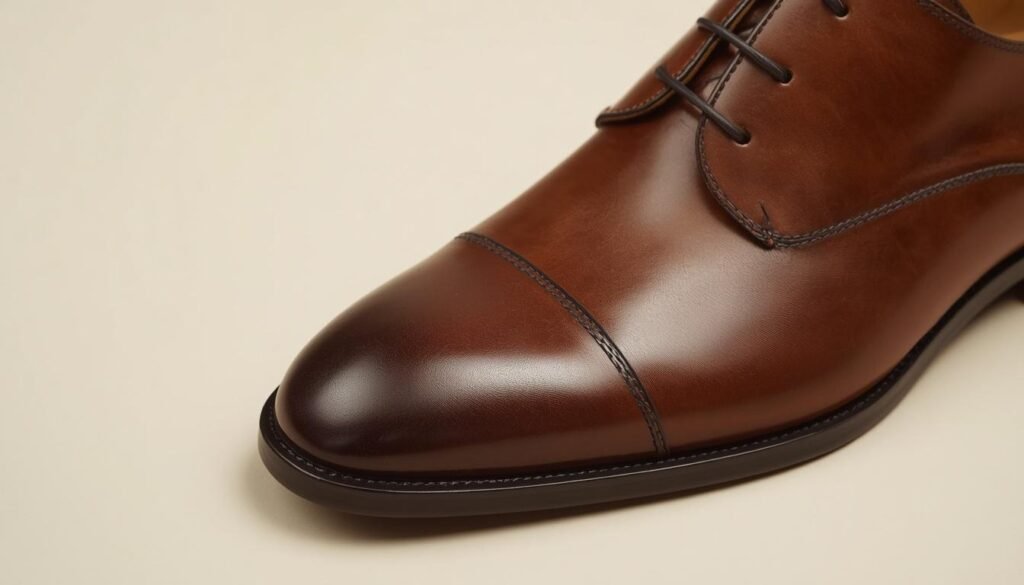
That combination makes calfskin a familiar choice for dress shoes, loafers, handbags, and smaller leather accessories. Smooth calf takes a handsome polish without needing a heavily textured surface, while grained calf offers a different look with the same underlying animal source.
Calfskin vs. Cowhide: What Is the Difference?
In shopping descriptions, “cowhide” often means leather from mature cattle, while “calfskin” refers specifically to a younger animal. Calfskin is usually chosen for its finer grain and suppleness. Mature cowhide is often used where a thicker, more substantial leather is desirable.
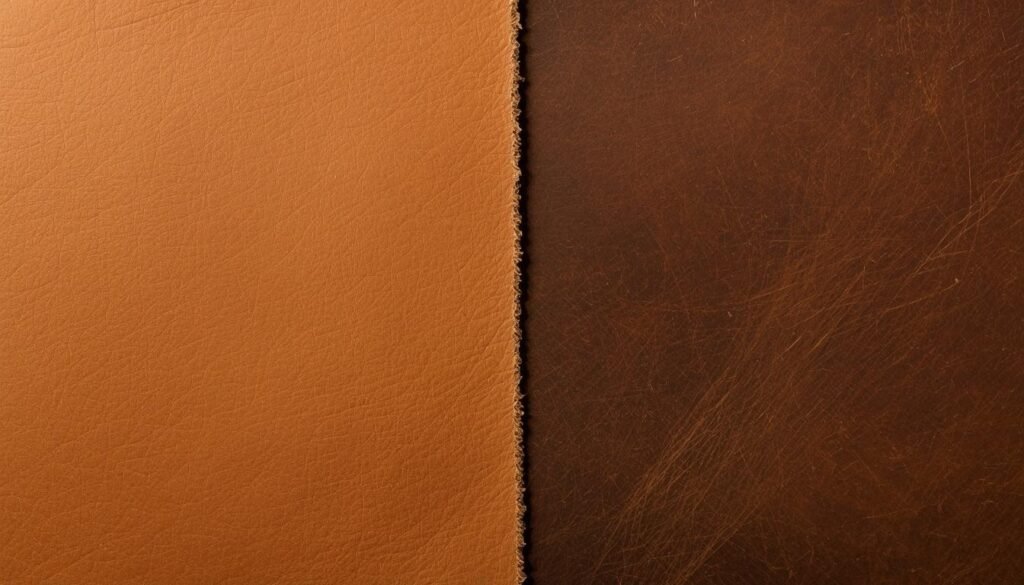
Neither name guarantees that a finished product will outperform the other. Hide selection, thickness, tanning, surface finish, and construction all matter. A carefully made cowhide boot may be better suited to hard use than a delicate calfskin dress shoe; that does not make calfskin poor-quality leather.
Is Calfskin the Same as Full-Grain Leather?
No. Calfskin tells you where the leather came from. Full-grain describes whether the natural grain surface has been left intact. A piece of calfskin can be full-grain, but the word “calfskin” alone does not establish that.
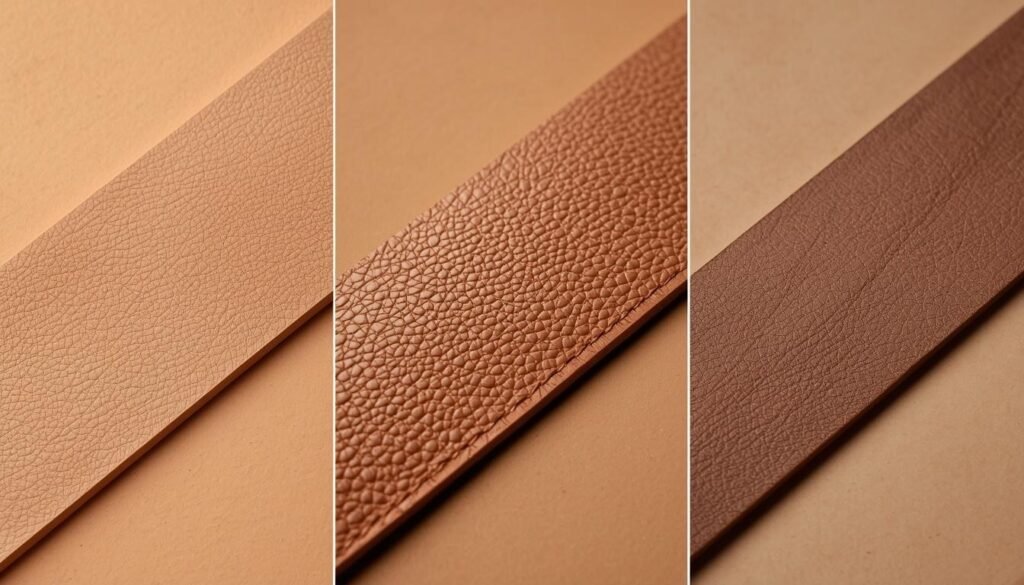
Calfskin can also be embossed with a pebbled or other textured pattern. This is why a “grain calfskin leather upper” may refer to a shoe made with visibly textured calf leather, not necessarily an untouched full-grain surface. Read the maker’s description rather than treating every use of “grain” as a quality grade.
What Is Shell Cordovan Leather?
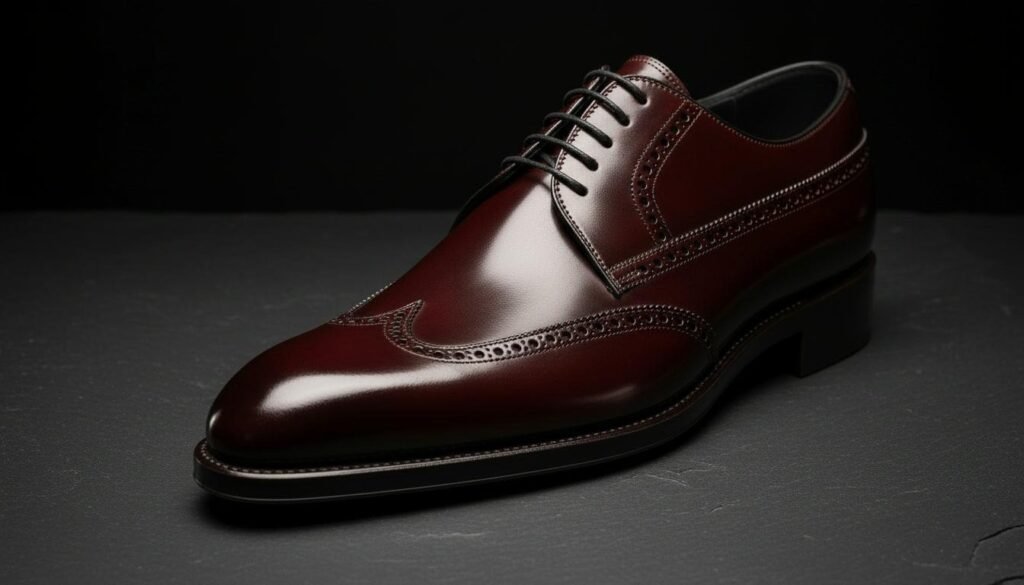
Shell cordovan is a distinctive equine leather made from the dense, fibrous shell in a horse’s hindquarters. Unlike calfskin’s grain surface, the characteristic shell lies beneath the outer surface of the hide and must be exposed during processing. It is not ordinary horsehide finished to look glossy.
Producing it takes considerable time and skill. Horween, a well-known shell cordovan tannery, describes a process taking at least six months: the shells are vegetable-tanned, stuffed with fats and oils, shaved, dyed, and glazed. That timeline describes Horween’s production; methods vary between tanneries.
“Cordovan” can also name a reddish-brown or burgundy color. A shoe described as cordovan-colored is therefore not automatically made from shell cordovan leather. Genuine shell also comes in other colors, including black and lighter brown tones.
What Is Special About Shell Cordovan Leather?
Its appeal comes from a combination of dense structure, distinctive luster, and the way it ages. Brushing can restore much of the shine of well-maintained Horween shell without repeatedly building up thick layers of polish. With wear, its color and surface develop patina, the visible changes that give used leather its individual character.
Shell also flexes differently from smooth calfskin. It typically develops broader waves or “rolls,” rather than the fine grain creases associated with many calfskin shoes. That does not mean a shell shoe stays perfectly smooth: folds are normal, and some surface finishes can show crease-like lines.
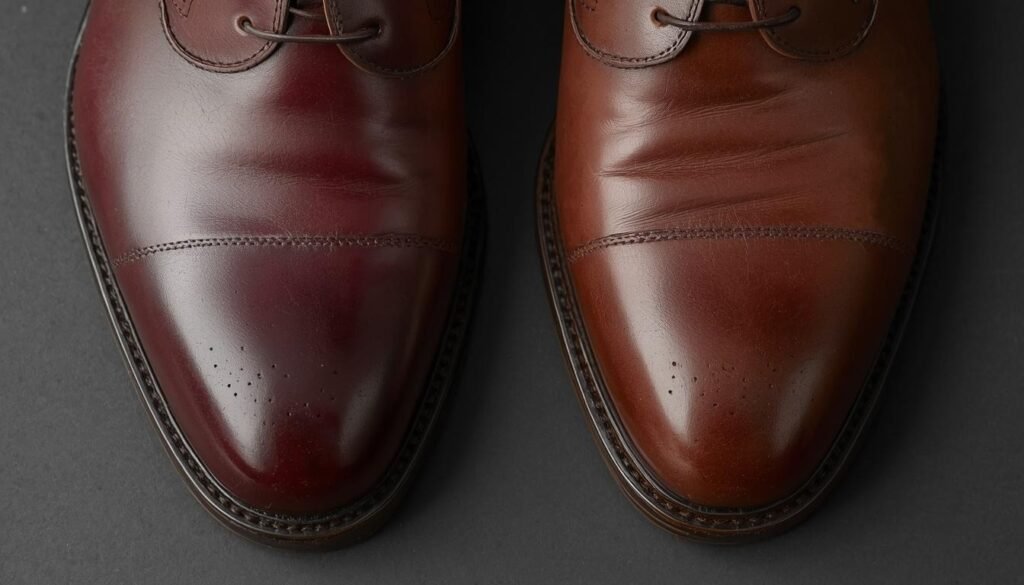
The price reflects limited usable material as well as demanding production. Only a small part of the hide yields shell, and the long tanning and finishing process restricts supply. You are paying for a particular material and its labor-intensive manufacture, not simply for a shinier version of calfskin.
Shell cordovan can be hardwearing, but it is not maintenance-free or waterproof. Rain can leave spots or raised welts. Its durability should not be mistaken for immunity to moisture, scratches, or neglect.
What Is Suede Leather Made Of?
Real suede is animal leather with a soft, fibrous surface called a nap. That nap comes from the flesh side of the leather, rather than the smooth outer grain surface. “Suede” describes the surface and material construction; it does not identify a single animal species.
So, is suede material actually leather? If it is genuine animal suede, yes. Suede is not a separate non-leather category simply because it feels fuzzy instead of smooth.
What Is Split Suede Leather?
Split suede is made from an inner layer separated from the grain-bearing layer when a hide is split. This inner layer can be finished to create the familiar suede surface. However, not all suede is split leather: a suede surface can also be produced on the flesh side of leather that retains its grain layer.
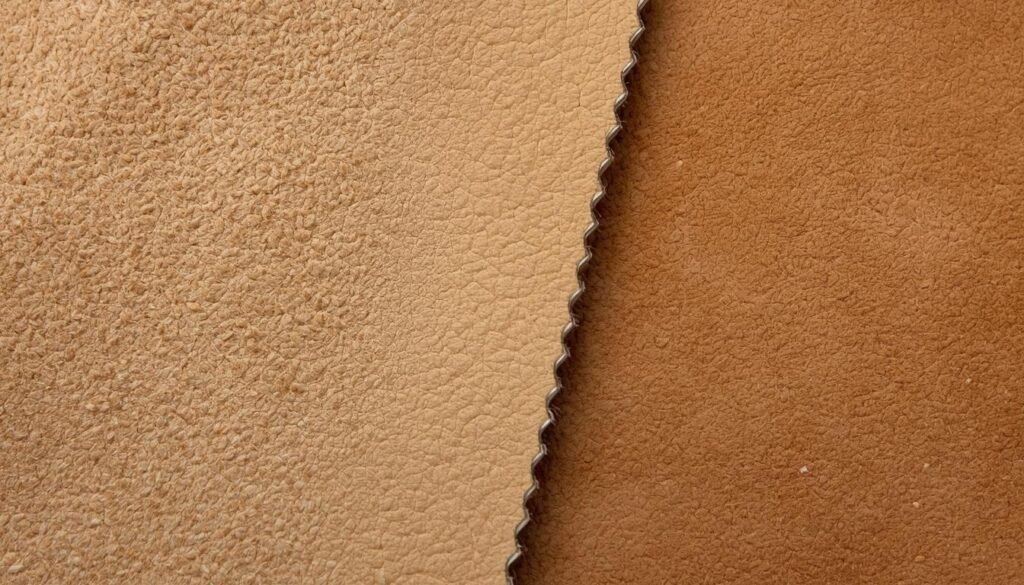
This distinction helps explain why two suede-looking shoes can have different structures. Roughout leather, for example, is used flesh-side outward while retaining the grain layer. Red Wing’s roughout construction keeps that layer intact rather than removing it to create a split.
Terminology varies between makers, and “reverse suede” or “rough-out suede” can appear in product descriptions. The useful question is whether the leather retains its grain layer, not merely whether it has a fuzzy appearance.
Suede Leather vs. Suede Fabric
Suede-like fabric is not necessarily animal leather. Faux suede and synthetic suede can be manufactured from textile fibers and binders to imitate the appearance and feel of a leather nap. For example, Toray’s Ultrasuede LX combines polyester ultrafine fibers with a polyurethane binder.
The practical distinction is composition: genuine suede is tanned animal hide or skin; synthetic suede-like fabric is manufactured from other materials. Softness alone will not tell you which you are buying. Check the material label or product specification.
What Is the Difference Between Suede and Leather?
Strictly speaking, suede is leather. When people compare “suede vs. leather,” they usually mean suede versus smooth leather.
Smooth leather presents a grain-side surface that may be left natural, coated, embossed, or polished. Suede presents a fibrous nap. That difference changes the appearance and the care routine: a polished calf shoe is maintained differently from a suede loafer.
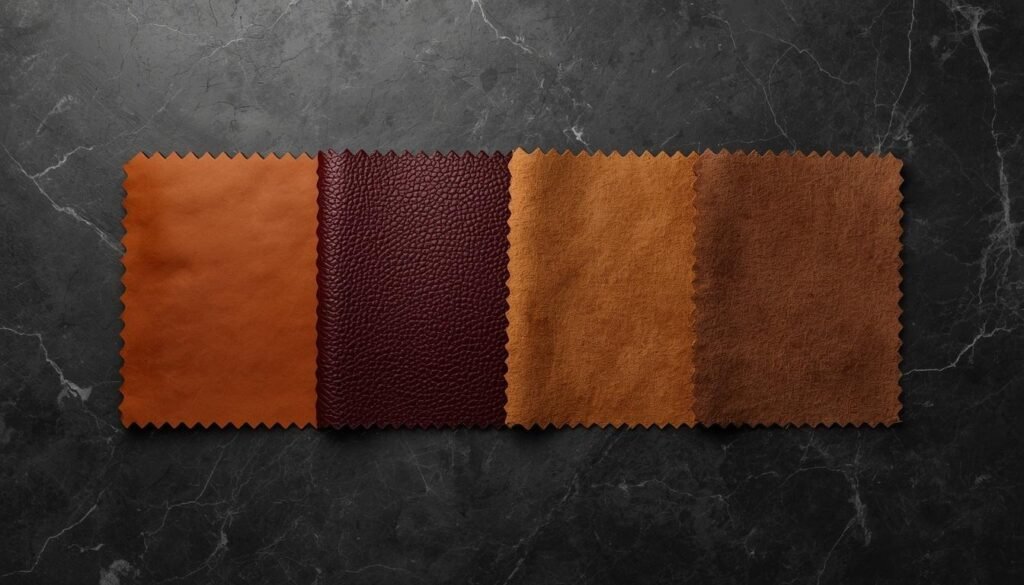
For styling, smooth calfskin is a straightforward choice when you want a polished, formal-looking shoe. Suede gives a softer, matte appearance that works especially well for relaxed loafers and boots. These are useful starting points, not fixed dress rules; shoe shape and design still influence formality.
Neither surface is universally better. Choose smooth leather if a polished appearance is your priority. Choose suede if you prefer visible texture and a matte finish. For durability, look beyond the surface name to the actual leather specification and shoe construction.
Nubuck Leather vs. Suede: What Is the Difference?
Nubuck is leather whose outer grain surface has been lightly buffed to create a velvety nap. Suede’s nap comes from the flesh side or from a split. The central difference is the side of the leather that produces the nap.
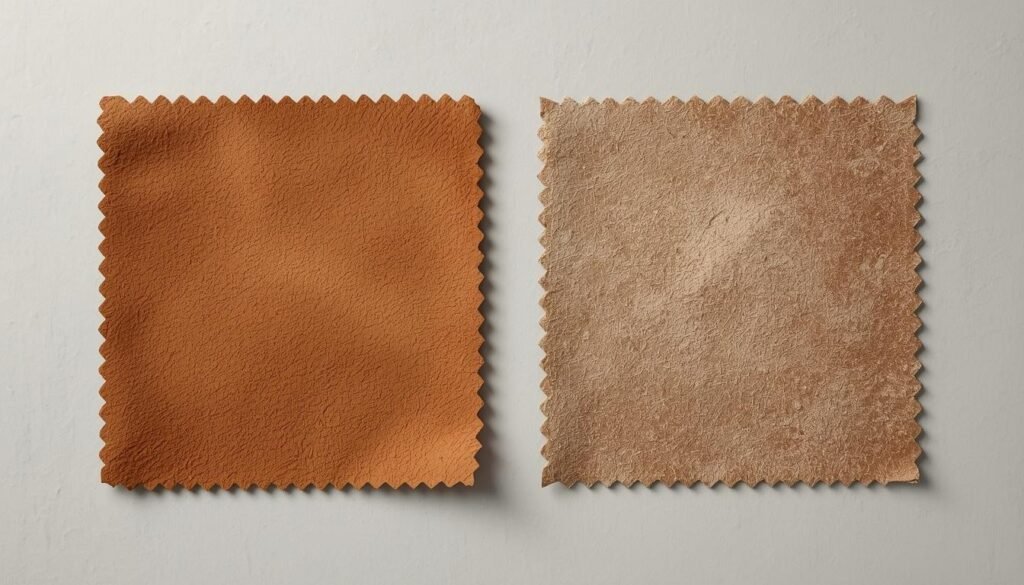
Nubuck generally has a finer, shorter nap, while suede often looks and feels more visibly fibrous. Both can show changes in shade when you brush a hand across the surface. That similarity is why touch alone is not a reliable way to identify them.
Because nubuck is made from the grain-bearing layer, it is structurally different from split suede. But “nubuck is always stronger than suede” is too broad: suede may also retain a grain layer, and thickness and treatment affect performance. A product’s construction tells you more than a simple ranking of the names.
Neither should automatically be treated as waterproof. Some leathers receive water-repellent treatments, but that is a product-specific feature, not something guaranteed by the words suede or nubuck.
How to Care for Calfskin, Shell Cordovan, Suede, and Nubuck
The most useful rule is to match the product to the exact finish. A treatment suitable for smooth calfskin may flatten, darken, or otherwise alter a napped surface. Follow the shoe or leather maker’s instructions, and test an unfamiliar product in an inconspicuous area first.
Smooth calfskin: Remove loose dirt with a soft brush or cloth. Use a suitable cleaner when needed, allow the leather to dry, and apply compatible conditioner or cream sparingly ▸ INTERNAL LINK to “Conditioning vs. Polish (A04)”. Polish according to the finish and the shine you want ▸ INTERNAL LINK to “How to Polish Dress Shoes”. Calfskin with a suede or nubuck finish needs the corresponding napped-leather routine instead.
Shell cordovan: Start with gentle cleaning and thorough horsehair brushing ▸ INTERNAL LINK to “Shoe Brushes Explained (A09)”. Horween recommends a soft, damp cloth, natural drying away from heat, and occasional sparing applications of a compatible cream. More product is not automatically better; heavy buildup can obscure the leather’s appearance.
Suede and nubuck: Use a brush and cleaner specified for the material. For ordinary suede, gentle brushing helps remove dry dirt and revive the nap. Do not assume standard smooth-leather cream or wax is appropriate. A compatible protector can help guard against stains and moisture, but it does not make the whole shoe waterproof.
Waxed or oiled roughout may need a different routine from ordinary suede. Some makers recommend specific dressings that deliberately change its appearance, so always check the instructions for that leather.
If shoes become wet, let them dry naturally rather than placing them beside a radiator. Suitable wooden shoe trees help maintain their shape.
Which Leather Should You Choose?
For a polished dress-shoe appearance, smooth calfskin is a dependable starting point. For distinctive luster and patina, shell cordovan offers something different, provided its price and characteristic rolls appeal to you. For a softer, textured look, consider suede; for a finer velvety surface, consider nubuck.
The right choice is not a universal “best leather.” It is the material that suits the shoe, the way you dress, and the care you are willing to give it. Start with the construction and finish, not just the name on the label.
Lace up. Zip up. Slip in.
The Bespoke Sole