The nearest repair shop is not always the right one. Here is how to vet a cobbler, what to ask before you hand over your shoes, and how to check the work before you pay.
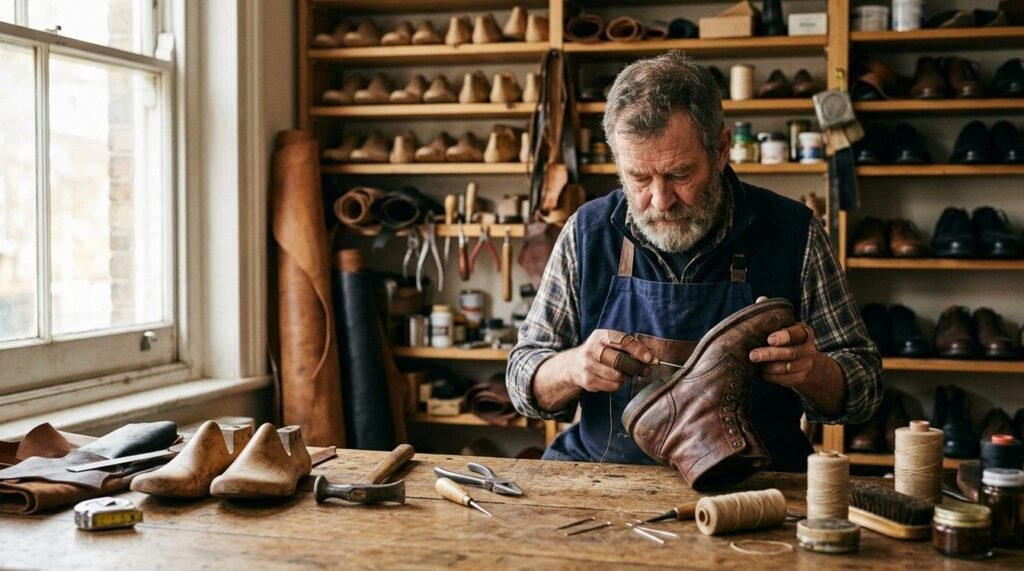
To find a good cobbler, look for examples of repairs on shoes like yours, ask how they would handle the damage, and get a clear estimate before leaving your pair. The nearest shoe repair shop may be convenient, but the right shop is the one that understands your footwear and can explain what the repair will, and won’t, achieve.
I think of a good cobbler as part of owning good shoes, not an emergency service you look up when something breaks. The right one adds years to a pair you love. The wrong one can shorten them.
You don’t need to know how to stitch a sole or rebuild a heel. You do need to know what to look for and how to describe the result you want.
What Does a Shoe Cobbler Do?
A shoe cobbler repairs and maintains footwear. Depending on the shop, services can include replacing worn soles and heel tips, repairing hardware, replacing zippers, stretching tight areas, and cleaning or refinishing leather. Some cobblers also work on bags and other leather goods. The Shoe Service Institute of America lists many of these services, but availability varies by shop.
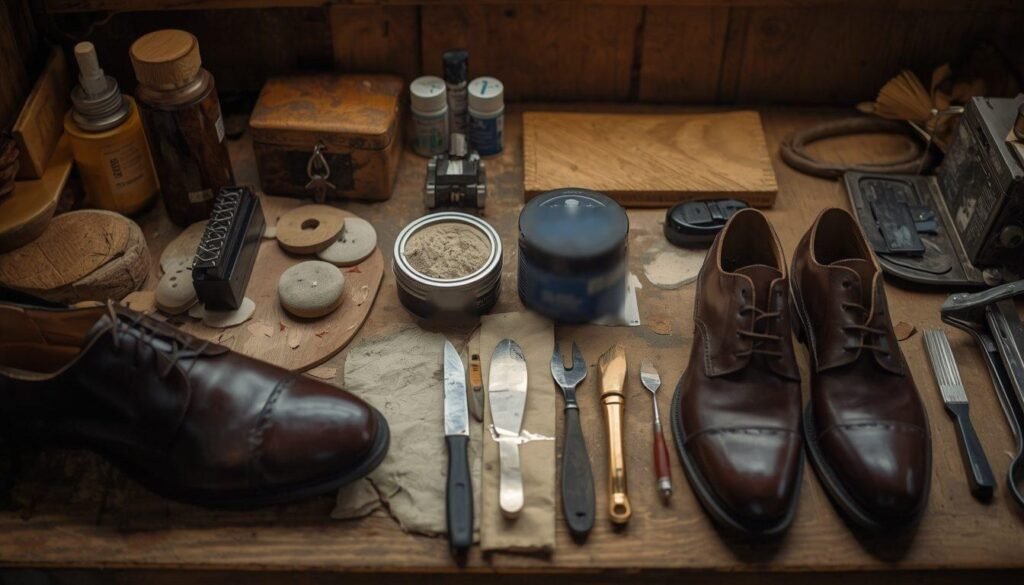
That range matters when you’re choosing someone. A shop that does excellent heel replacements may not specialize in sneaker restoration or rebuilding stitched leather boots. Start with your particular repair, not simply the word “cobbler” on the sign.
How to Find a Good Cobbler Near You
Use Local Search to Build a Shortlist

Searching for “shoe repair near me” or “cobbler near me” is a useful first step. For a specialized job, add the service or footwear type: “boot repair,” “leather shoe repair,” or “boot resoling,” followed by your city.
In the United States, you can also use the Shoe Service Institute of America’s shop locator. It includes current SSIA members along with some former members and nonmembers drawn from public records, and SSIA itself notes that listings may be out of date. Treat it as another place to find candidates, not a guarantee of workmanship.
Before visiting, confirm that the shop handles your type of shoes and the repair you need. A quick phone call can save a wasted trip.
Read Reviews for the Actual Work

Look beyond the average star rating. A review saying “friendly service” tells you less about a resole than one describing how the boots fit and wore afterward.
Look for recent comments about repairs similar to yours. Did the shop explain the options? Did the final bill match the agreed work? If a customer reported a problem, how did the shop respond?
A single complaint isn’t enough to dismiss a business. Repeated reports of unauthorized work, unexplained charges, or unresolved repair problems deserve closer attention.
Ask to See Similar Repairs
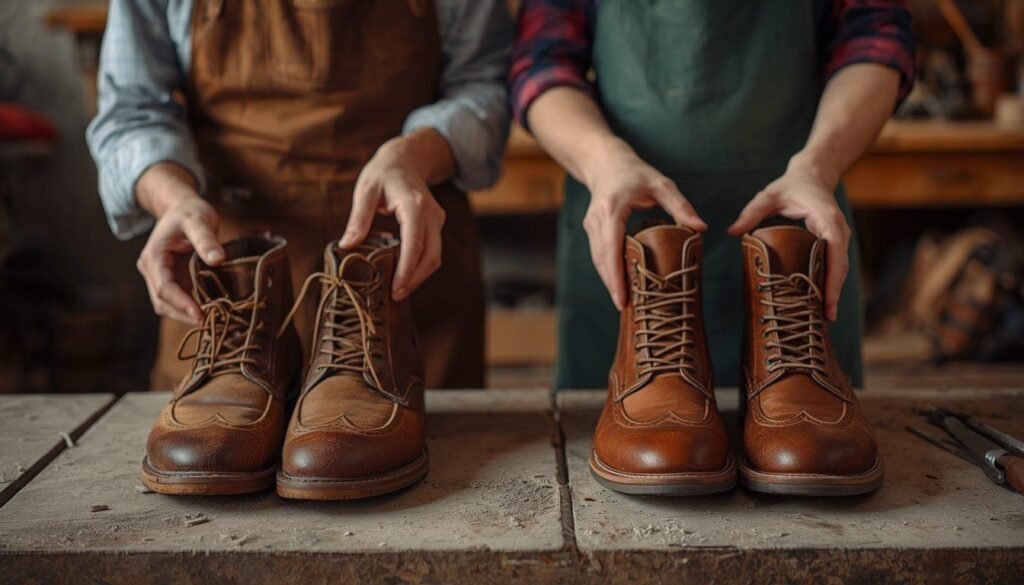
Request before-and-after photos of the kind of job you’re considering. For a resole, ask to see the bottoms and edges, not just freshly polished uppers. For a heel repair, look at how the replacement meets the original heel.
Useful details include clean edges, consistent finishing, and stitching that looks appropriate to the shoe. These aren’t a complete quality test, but they give you something concrete to discuss.
If you’re unsure, consider starting with a straightforward repair on a less precious pair before commissioning major work on your favorites.
Six Questions to Ask Before Approving Shoe Repair
Bring both shoes, even if only one appears damaged. That lets the cobbler compare the pair and discuss whether matching work is needed.
1. “What Exactly Needs Repairing?”
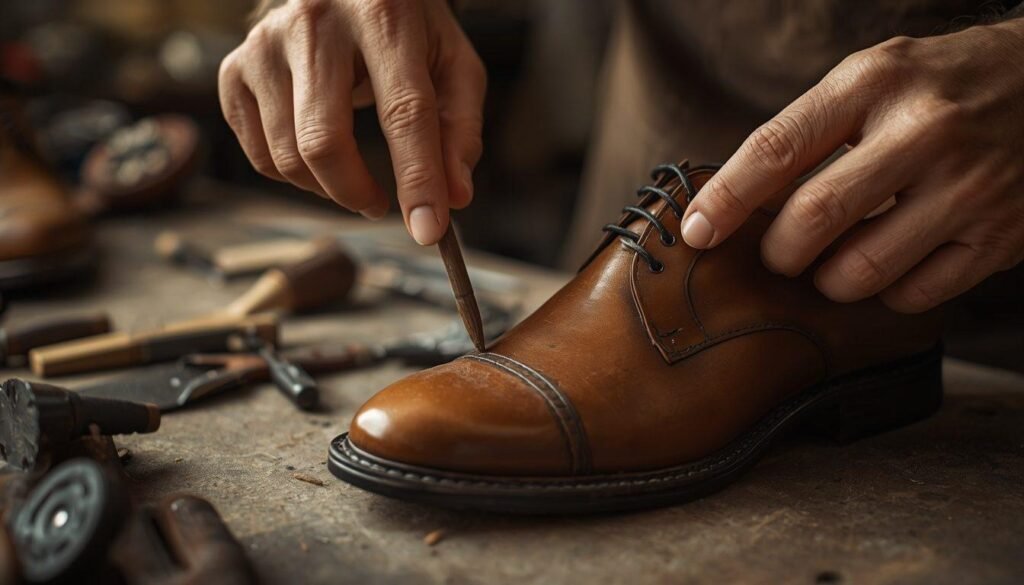
Ask the cobbler to point out the damage and distinguish essential work from optional improvements. A worn heel surface, a damaged heel base, and a worn-out sole are different problems.
For sole work, ask whether your shoes need a full resole, a partial sole repair, or a protective overlay. An overlay adds a wear layer to an existing sole; it does not automatically address worn internal components.
A useful explanation connects the proposed work to the condition of your pair. It shouldn’t leave you guessing what “fixing the bottom” means.
2. “Have You Repaired This Construction Before?”
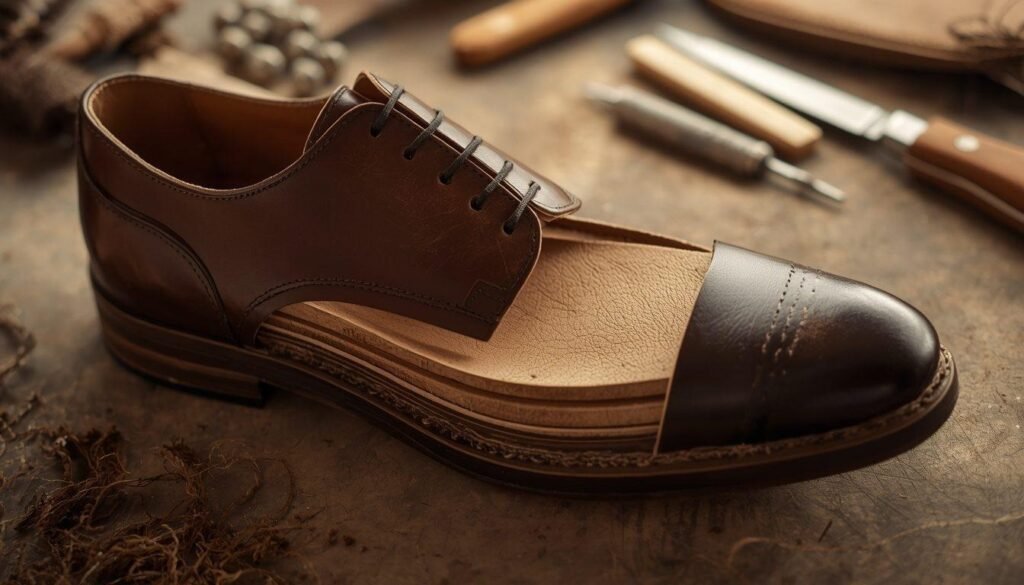
Shoes aren’t all assembled the same way. Goodyear-welted shoes [▸ INTERNAL LINK to Goodyear Welt vs Blake Stitch] use a strip called a welt as part of their stitched construction. Blake-stitched shoes have a different sole attachment that requires suitable equipment for a stitched resole. Glued, or cemented, shoes vary in how readily they can be resoled.
You don’t need to identify the construction yourself. Ask the cobbler to explain it and describe the repair method they recommend.
For expensive or unusual footwear, examples of comparable work are more useful than a general promise that the shop can repair anything.
Of the six, this is the question I would weigh most heavily. A shop that can’t explain how your shoe is built shouldn’t be the one taking it apart.
3. “What Materials Will You Use, and What Will Change?”
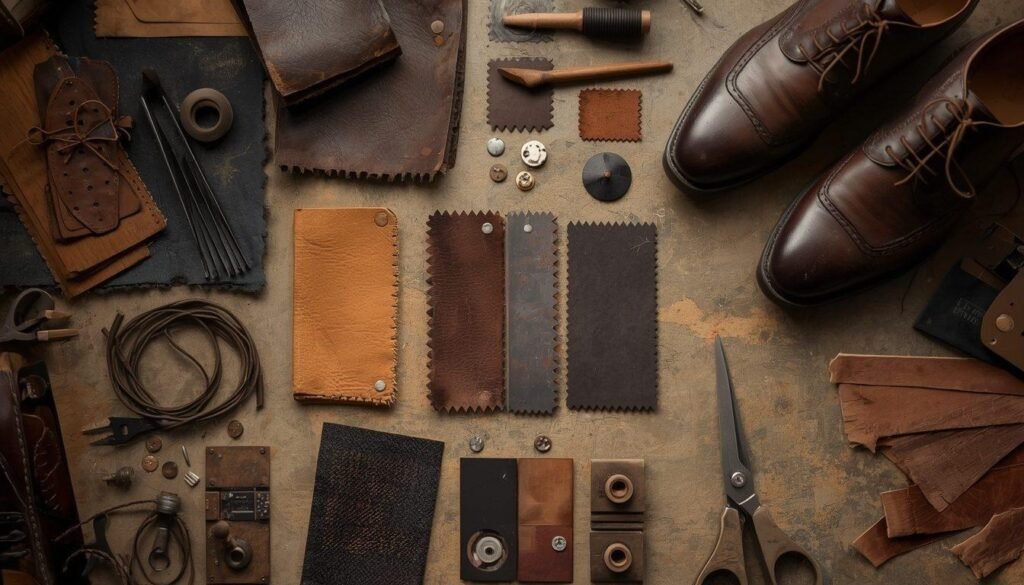
Ask about the replacement sole [▸ INTERNAL LINK to Leather Sole vs Rubber Sole] or heel material and why it suits the way you wear the shoes. Tell the cobbler whether you want to preserve the original appearance or are open to a different sole.
Discuss any expected change in thickness, flexibility, weight, or grip. If a named replacement sole is proposed, ask which model, not just which brand.
For leather shoe repair or refinishing, clarify the finish you want. Cleaning, polishing, recoloring, and dyeing are different jobs. Don’t leave a permanent color change to an assumption.
4. “What Is the Total Cost?”

Get the scope and estimate in writing. Confirm whether the price is for one shoe or the pair, what materials are included, and whether cleaning or polishing is an extra service.
Ask the shop to contact you before doing additional work that changes the price or appearance. A clear repair ticket protects both sides from misunderstandings.
If you compare estimates, compare the actual work. A quote for replacing only the heel’s bottom wear layer isn’t equivalent to one that includes rebuilding the heel base.
5. “When Will They Be Ready, and What If There’s a Problem?”
Confirm the expected completion date and mention any event or travel deadline before approving the job. Ask whether the work is done on-site or sent elsewhere; outsourcing isn’t automatically a problem, but you should know who is handling your shoes.
Ask about the correction policy, too. What happens if the sole starts separating or the repaired shoes feel wrong? Keep the repair ticket and the shop’s contact details.
For mail-in work, also clarify shipping charges, tracking, insurance, and what happens if the shop decides the shoes can’t be repaired.
6. “Could This Affect Future Repairs?”
If your footwear brand offers factory recrafting, check its rules before authorizing independent sole work. Allen Edmonds, for example, says certain third-party repair methods can prevent later factory recrafting. That is a brand-specific restriction, not a reason to reject independent cobblers generally.
A useful question is: “Will your proposed method preserve my options for another resole or a factory repair later?”
What to Ask For: Common Shoe and Boot Repairs
You don’t have to diagnose the problem before entering a cobbler shop. Describe what you notice, then ask for an assessment. These sample requests can help.
Worn Heels
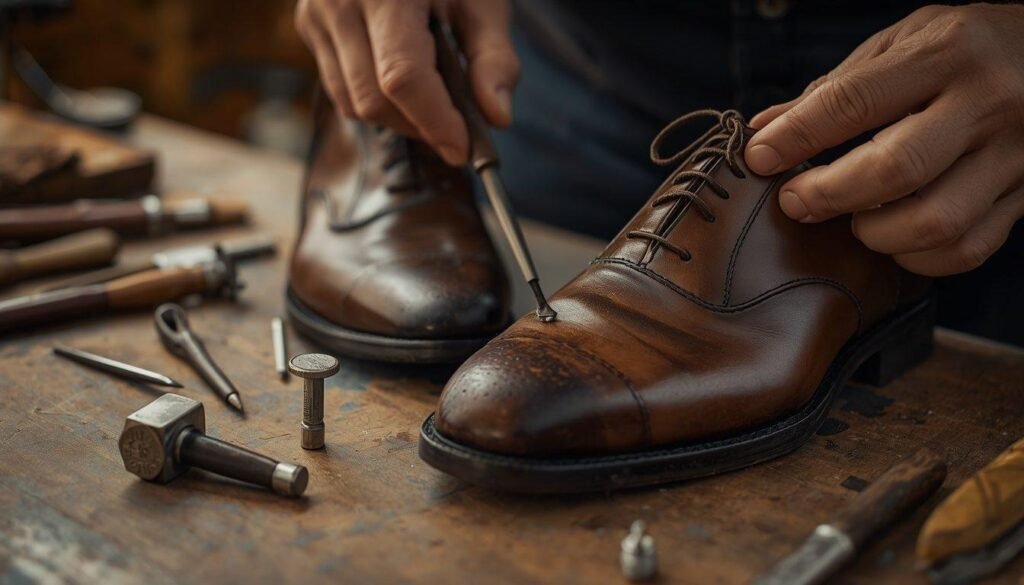
Ask: “Can you replace the worn heel tips or bottom heel layer, and check whether the heel underneath is damaged?”
The bottom wear layer is often called a top lift. Ask whether replacing it is enough or whether the heel needs more extensive work. For high heels, discuss the replacement tip and whether both shoes need attention. Heel-tip replacement is a standard service identified by SSIA.
Thin Soles or Worn Boot Tread
Ask: “Are these suitable for a resole, and is a full replacement necessary?”
If you want to resole shoes or boots, explain how you use them and what you like about the current sole. Ask whether the original construction can be maintained and whether other worn components need attention. Repair options depend on construction and condition, not just whether the uppers still look good.
For work or outdoor boots, mention any required performance features before agreeing to a different sole.
Slippery or Easily Worn Leather Soles
Ask: “Would a thin rubber sole protector make sense for these shoes?”
Protective soles can help extend the life of leather soles and improve slip resistance, according to SSIA. They’re an option to discuss, not an automatic upgrade for every pair.
Ask how the protector would be fitted and whether it would change the profile or feel. It is not a substitute for assessing a sole that is already badly worn.
A Tight Spot or Uncomfortable Fit
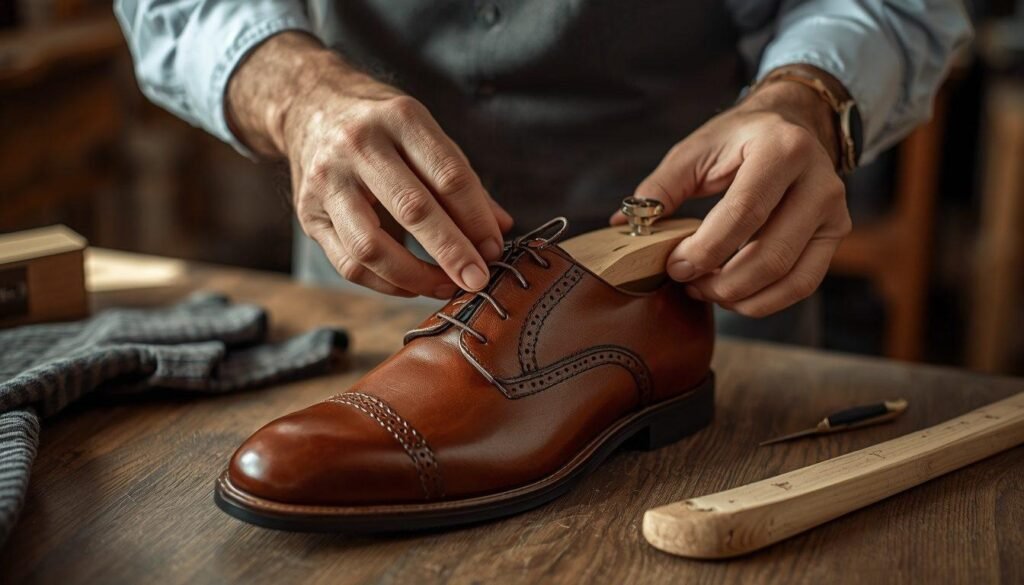
Ask: “Can you relieve pressure in this specific area without changing the fit elsewhere?”
Point to the uncomfortable spot and bring the socks you normally wear. Professional stretching may help, but the result depends on the material and construction. Leather Spa explicitly makes its stretching service conditional on those factors.
Don’t assume a cobbler can turn a clearly undersized shoe into the right size [▸ INTERNAL LINK to The Comprehensive Dress Shoe Width Guide]. Ask for a realistic assessment rather than a guaranteed size increase.
Scuffs, Stains, or Damaged Leather

Ask: “What improvement is realistic, and will the treatment change the color or finish?”
Clarify whether the proposed shoe restoration is cleaning, polishing, refinishing, or structural repair. Ask what marks will remain visible and whether a patch or color treatment would be noticeable.
A factory recrafting package may not include repairing damaged uppers. Allen Edmonds, for example, says it does not repair or replace sections of the leather upper through its recrafting service. An independent specialist may offer different options, so ask about your particular damage.
For a broken zipper or loose buckle, ask whether the existing part can be repaired or needs replacement. Confirm that replacement hardware will function and look appropriate.
Red Flags When Choosing a Shoe Repair Shop
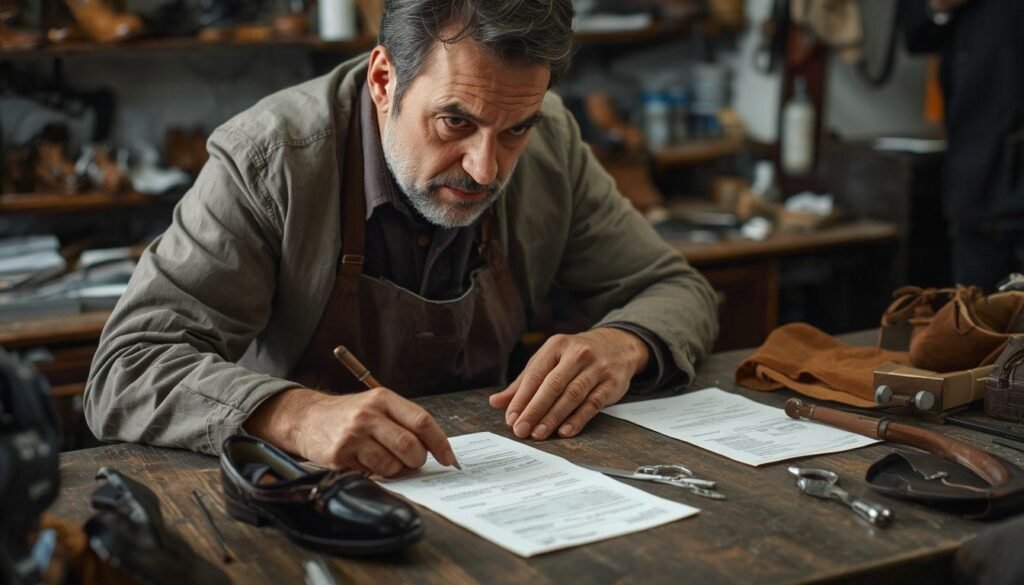
Be cautious if a shop promises an invisible repair or “like-new” results without examining the shoes. Restoration has limits, and those limits should be part of the conversation.
Other warning signs include an unclear repair scope, a refusal to explain materials, or pressure to approve major alterations immediately. A verbal quote is worth clarifying if it doesn’t specify what you’re buying.
An honest “this isn’t worth doing” can be a good sign. Quality shoe repair includes knowing when a job is unsuitable or when another specialist is better equipped.
My test is simple: if a cobbler won’t tell me what they can’t do, I have no reason to trust what they say they can.
Before spending heavily, consider whether the shoes still fit comfortably, whether you like wearing them, and what condition the rest of the pair is in. Sentimental value can justify a repair, but it shouldn’t be confused with a promise of long-term durability.
Check the Shoes Before You Leave
At pickup, compare the finished work with the repair ticket. Look for unintended color changes, obvious gaps at attachments, or rough edges. Check that repaired zippers and buckles work.
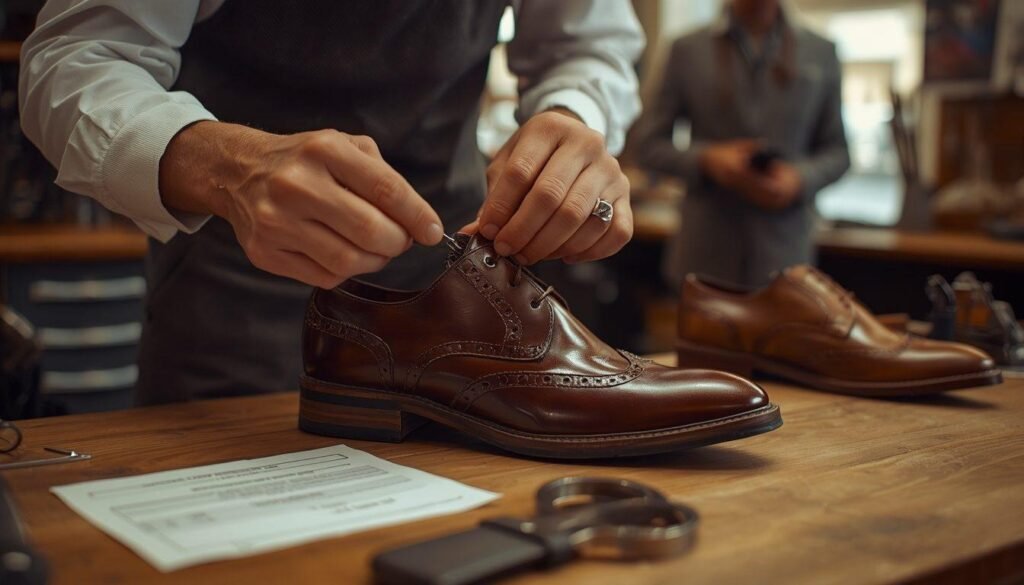
Try on the shoes and walk a few steps if possible. Mention new rocking, rubbing, or an unexpected fit change while you’re still at the shop. Ask about any waiting period before wear and the care the new materials need.
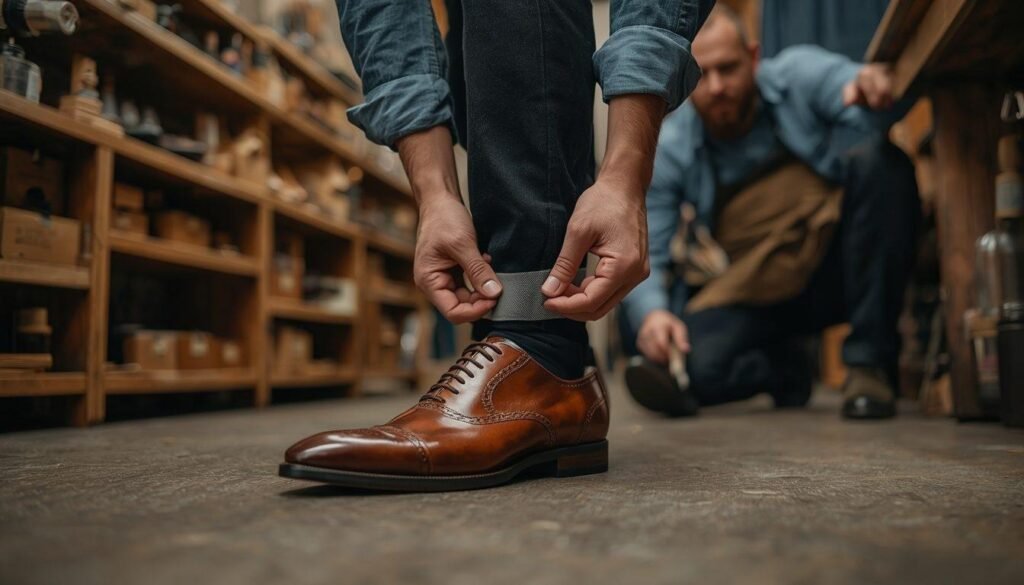
If you want one simple way to begin the conversation, use this sample wording:
“I’d like to keep wearing these. What needs fixing now, what can wait, and what result should I realistically expect?”
That is the sentence I would bring to any shop counter. The right cobbler will help you understand the answer before asking you to approve the work. When you find that cobbler, keep them. Good shoes deserve a long relationship with the person who repairs them.